Furnace efficiency is a hot topic these days, particularly because homeowners are looking for any and every DIY solution to problems with their heating bills. Well, you might not be able to build a new furnace from scratch but you’ll definitely be able to do a few things that help with the efficiency of your furnace system. That’s where we’re trying to help.
Increasing the efficiency of your furnace can also help you avoid furnace repair in Livingston, NJ because you’ll be making the job easier for it. Furnaces that are running inefficiently often have to consume more fuel and work harder just to provide the same amount of heat that an efficient heater would.
If you’re a DIY kind of person, these few efficiency tips cannot be overlooked in the slightest. These are your simple and effective solutions to improving the heating quality of your home.
Furnaces are the most common and reliable heating system found throughout the United States. That being said, no HVAC system is perfect, and if you’re the owner of a forced-air system like a furnace, then you’re probably going to run into one of these issues at some point. These problems can range anywhere from something as terrible as a gas leak to just a pilot light needing to be lit.
So, we figured we’d list out the most common problems we come across when we deal with furnaces. That way, when you smell gas or are dealing with high heating bills, you’ve got some information to signal what might be wrong with your heater. Then, you can estimate what it will cost to get it fixed and make the decision as quickly as possible.
Don’t thank us, just keep reading to learn more about your forced-air heater problems.
Natural gas furnaces are one of the most common heating systems in our nation. Not only are they very effective heaters, but it’s just what people are used to—why install a different system if what they’re using already works?
But that logic doesn’t mean you should ignore potentially better systems. “Better,” of course, meaning better for the needs of the individual. Each heating system has its own range of features that may prove to be more beneficial than that offered by a natural gas furnace.
Even if you’re satisfied with your gas furnace, we’ll supply some info on other types of heaters, just in case you want to change your mind for your next heating installation in Livingston, NJ:
Your garbage disposal loves to do one thing, and it does it well: eat all your table scraps. It’s simple but effective. That is, until it starts having issues. Then you’ll need to call up a plumber in Livingston, NJ. To prevent that from happening, try following these practices to keep your garbage disposal in good care.
Having to replace your furnace rarely sounds like an occasion for good news… But if you’ve been dealing with a furnace that hasn’t been heating the home properly; is becoming more and more expensive to run every month; or just looks old; then there are plenty of reasons to be excited about a new furnace.
A brand-new high-efficiency furnace can drastically reduce your heating bill and remind you what it feels like to have your home heated properly. But before getting too hasty, let’s make sure that your current furnace needs replacement. You can look for signs like:
Most homes are equipped with tank water heaters. That’s no surprise, since they’re cheap and reliable, capable of lasting well over a decade. They’re also incredibly low-maintenance through most of their life. However, this low-maintenance might get some homeowners in trouble—there are several components of a tank water heater that do need to be looked at if they want their heaters to last past 15 years of age.
Just before fall is the perfect time to check in on your water heater. We’ll go over a few things to look out for.
With the weather warming, your heating system is going to be seeing less and less use in the next few weeks until you finally turn it off in favor of the air conditioner until next fall. That makes now an excellent time to check your system for problems, especially if your furnace is older. Once the warranty expires, the cost of repairs tends to rise since the original components are no longer required. Wear and tear will eventually take their toll as well, and if your older furnace needs repairs, the sooner you can spot the issue the better.
It’s surprising when a brand-new furnace starts to malfunction. When a furnace has worked almost perfectly for many years, though, and suddenly starts to show signs of failure, it can be almost just as alarming. A reliable, older furnace will still need repairs eventually. And at some point, you’ll have to replace your furnace altogether.
We’re here to offer some guidance about what may be happening with your home heating system when it fails to work as expected. If you have an older furnace, a sudden malfunction may not mean the end of its life. However, you’ll likely have to call in technicians to be sure.
Yikes! It’s chilly outside and your heating system is showing signs of failure. Perhaps it’s already broken down. This is the worst time for a heater to fail, and you have your fingers crossed for the best. Will you have to replace your heating system? Can it be repaired? If your furnace breaks or malfunctions, it can lead to serious health and safety issues, such as carbon monoxide leaks or fire risks, which can be mitigated through routine inspections and timely repairs.
Furnace maintenance is crucial to keeping your heating unit running efficiently and safely. Safety is the most critical reason for annual furnace maintenance, as it can detect carbon monoxide leaks and other issues that could pose serious health risks to your family. Regular inspections can detect leaks and other problems early, helping to prevent hazards and costly repairs. Consistent maintenance extends the lifespan of your furnace, provides reliable heating for years, and helps prevent unexpected breakdowns. A well-maintained furnace operates more efficiently, which translates to lower energy and utility bills, and annual servicing can save money in the long run by improving system efficiency and reducing energy consumption. Scheduling furnace maintenance at least once a year, preferably right before the cold months, ensures any issues are addressed before the cold weather sets in. You should schedule a comprehensive professional inspection annually before the heating season begins. A typical 2025 furnace tune-up costs between $150 and $400. A typical furnace maintenance appointment lasts around 1 to 2 hours, depending on the system’s condition and complexity. Regular maintenance can significantly reduce repair costs by addressing minor issues before they escalate into major problems, and neglecting furnace maintenance can lead to safety risks such as carbon monoxide leaks, increased energy bills, and may void the manufacturer’s warranty. Always shut down the furnace safely before performing any maintenance. Signs that indicate you need furnace maintenance include unusual noises (so listen for anything out of the ordinary), inconsistent heating, and increased energy bills. Scheduling regular maintenance keeps your system’s condition optimal and maintains system’s efficiency, ensuring your home stays at a comfortable temperature throughout the season.
Of course, this is a question we most likely cannot answer before we take a look at your system. However, we’re here to help you understand more about when a heater needs repair, and when it starts to show signs you need heater replacement.
How many times have you completed a project at the last minute only to suffer some unforeseen consequences? Hopefully, you’ve learned that completing a big project at the last minute is rarely a good idea, nor is waiting too long to service your car or fix a leaky roof. Still, we understand the urge to wait to repair your air conditioning system, especially when the warmer weather comes to a close and you don’t really need the AC for much longer, if at all.
However, your air conditioner could probably use a little care at the end of the summer and beginning of fall, and you’ll thank yourself when the warmer weather comes around next year. Here are some things you can do to keep your central air conditioner in good shape.
 Furnace efficiency is a hot topic these days, particularly because homeowners are looking for any and every DIY solution to problems with their heating bills. Well, you might not be able to build a new furnace from scratch but you’ll definitely be able to do a few things that help with the efficiency of your furnace system. That’s where we’re trying to help.
 Furnaces are the most common and reliable heating system found throughout the United States. That being said, no HVAC system is perfect, and if you’re the owner of a forced-air system like a furnace, then you’re probably going to run into one of these issues at some point. These problems can range anywhere from something as terrible as a gas leak to just a pilot light needing to be lit.
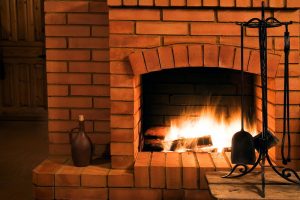 Natural gas furnaces are one of the most common heating systems in our nation. Not only are they very effective heaters, but it’s just what people are used to—why install a different system if what they’re using already works?
 Your garbage disposal loves to do one thing, and it does it well: eat all your table scraps. It’s simple but effective. That is, until it starts having issues. Then you’ll need to call up a
 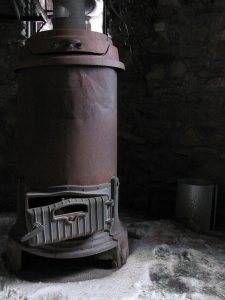 Having to replace your furnace rarely sounds like an occasion for good news… But if you’ve been dealing with a furnace that hasn’t been heating the home properly; is becoming more and more expensive to run every month; or just looks old; then there are plenty of reasons to be excited about a new furnace.
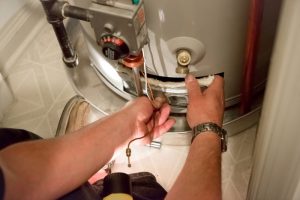 Most homes are equipped with tank water heaters. That’s no surprise, since they’re cheap and reliable, capable of lasting well over a decade. They’re also incredibly low-maintenance through most of their life. However, this low-maintenance might get some homeowners in trouble—there are several components of a tank water heater that do need to be looked at if they want their heaters to last past 15 years of age.
 It’s surprising when a
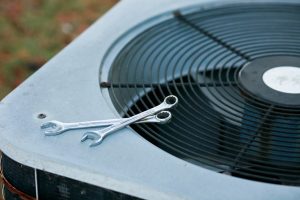 How many times have you completed a project at the last minute only to suffer some unforeseen consequences? Hopefully, you’ve learned that completing a big project at the last minute is rarely a good idea, nor is waiting too long to service your car or fix a leaky roof. Still, we understand the urge to wait to repair your air conditioning system, especially when the warmer weather comes to a close and you don’t really need the AC for much longer, if at all.