 Most homeowners opt for furnaces in Clifton, NJ. Their low cost of installation, operation, and ease of use makes them an obvious choice for the homeowner who knows only one thing: they need heat.
As the years go on, those same homeowners may learn about the benefits of systems like the heat pump. Depending on their needs and preferences, a heat pump may just be exactly what they need. So the question they must face is:
Keep the furnace, or switch to a heat pump?
The answer isn’t as straightforward as you’d expect, but we can help you make the right decision.
 Let’s say that, on one chilly winter afternoon, you turn on your furnace. But then, the worst thing happens. The air that’s coming out of the vents isn’t hot! Or worse, there’s no air at all!
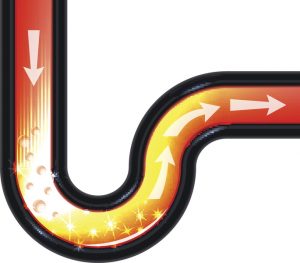 Drain cleaning is the act of, well, cleaning your drains out. You might think this is unnecessary. After all, doesn’t water and soap run down the drains all the time? Shouldn’t the frequent flow of water help clean it out? Even if the drain does clog, what else is there to do but just have it unclogged?
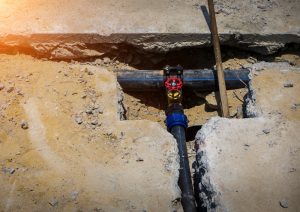 As a plumber, we’ve dealt with countless leaks and clogs. Often times, all it takes is a quick repiping or a simple hydro-jetting to fix those problems. But a simple leak in the wrong place can make all the difference.
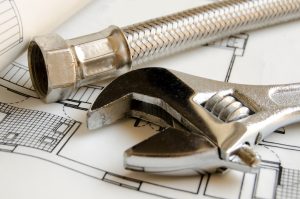 Plumbing problems can come in all shapes and sizes: anything from hard water deposits to a clog in the drain. You can solve a number of issues in your home’s plumbing system with a water filtration system. That can include anything from a reverse osmosis system to a water softener designed to remove mineral deposits in the water.
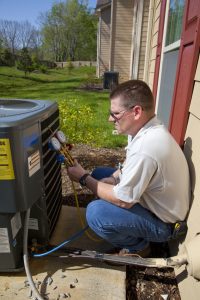 Spring is a bit of a transition month for homeowners, and besides the time-honored tradition of spring cleaning, you have your HVAC system to worry about. This is the time of year when our heating systems see less and less use, and our air conditioners see more and more use.
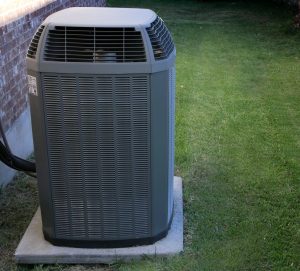 When you need a new HVAC installation (heating, ventilation, or air conditioning system), it’s important to consider all of your options. We don’t recommend that you simply take whatever your technician says is the cheapest. In all likelihood, this will be a system that is too small. You will end up paying a lot more on your energy and fuel costs for the next several years, and those initial savings may not be worth it.
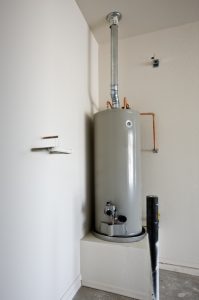 You’ve probably heard the term “hard water” before. This may sound a bit frightening in regard to your water quality, but it’s really not so bad for you. Hard water means that the water supply has an excess of calcium and magnesium, and for most people, this is perfectly safe to ingest. While it’s safe for people, however, we cannot say the same for your plumbing.
 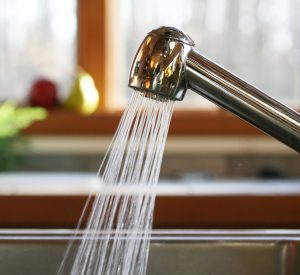 Many of us have some way to get clean water without always drinking directly from the tap. Some people feel that tap water tastes just fine, but others prefer bottled water or have some sort of in-home solution, such as a sink attachment that fits onto the end of the faucet or a pitcher that stays on the counter or in the refrigerator.
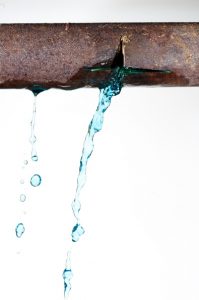 There’s no more important resource for your home than water. Having fresh, clean water come into our homes at the turn of a handle is something we all expect, and rightfully so, but there may come a time when this is not as reliable as it’s always been.