
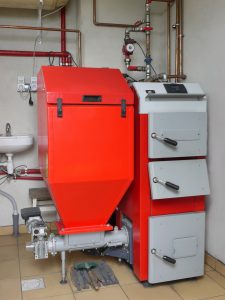
Yikes! It’s chilly outside and your heating system is showing signs of failure. Perhaps it’s already broken down. This is the worst time for a heater to fail, and you have your fingers crossed for the best. Will you have to replace your heating system? Can it be repaired? If your furnace breaks or malfunctions, it can lead to serious health and safety issues, such as carbon monoxide leaks or fire risks, which can be mitigated through routine inspections and timely repairs.
Furnace maintenance is crucial to keeping your heating unit running efficiently and safely. Safety is the most critical reason for annual furnace maintenance, as it can detect carbon monoxide leaks and other issues that could pose serious health risks to your family. Regular inspections can detect leaks and other problems early, helping to prevent hazards and costly repairs. Consistent maintenance extends the lifespan of your furnace, provides reliable heating for years, and helps prevent unexpected breakdowns. A well-maintained furnace operates more efficiently, which translates to lower energy and utility bills, and annual servicing can save money in the long run by improving system efficiency and reducing energy consumption. Scheduling furnace maintenance at least once a year, preferably right before the cold months, ensures any issues are addressed before the cold weather sets in. You should schedule a comprehensive professional inspection annually before the heating season begins. A typical 2025 furnace tune-up costs between $150 and $400. A typical furnace maintenance appointment lasts around 1 to 2 hours, depending on the system’s condition and complexity. Regular maintenance can significantly reduce repair costs by addressing minor issues before they escalate into major problems, and neglecting furnace maintenance can lead to safety risks such as carbon monoxide leaks, increased energy bills, and may void the manufacturer’s warranty. Always shut down the furnace safely before performing any maintenance. Signs that indicate you need furnace maintenance include unusual noises (so listen for anything out of the ordinary), inconsistent heating, and increased energy bills. Scheduling regular maintenance keeps your system’s condition optimal and maintains system’s efficiency, ensuring your home stays at a comfortable temperature throughout the season.
Of course, this is a question we most likely cannot answer before we take a look at your system. However, we’re here to help you understand more about when a heater needs repair, and when it starts to show signs you need heater replacement.
 We’re big fans of all the crafters, woodworkers, and general do-it-yourselfers out there. When you can look up a solution for a home problem and have it fixed relatively quickly, why call in a handyman to help?
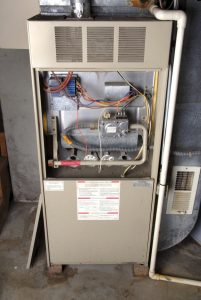 Most people never really think about scheduling service for any particular system in their home until it shows signs of damage. When it comes to your home heating system, we think this is a mistake.
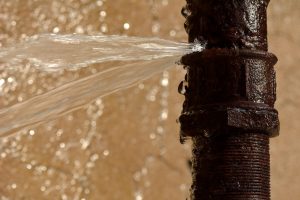 When is the last time you got a good long look at the foundation of your home? What about your home’s air ducts? Your septic tank? Chances are that these are things you don’t get a chance to inspect very often. Like your plumbing pipes, they are hidden from view, so for routine maintenance you’ll typically have to call in a specialist for an inspection.
 Many of us have some way to get clean water without always drinking directly from the tap. Some people feel that tap water tastes just fine, but others prefer bottled water or have some sort of in-home solution, such as a sink attachment that fits onto the end of the faucet or a pitcher that stays on the counter or in the refrigerator.
 How many times have you completed a project at the last minute only to suffer some unforeseen consequences? Hopefully, you’ve learned that completing a big project at the last minute is rarely a good idea, nor is waiting too long to service your car or fix a leaky roof. Still, we understand the urge to wait to repair your air conditioning system, especially when the warmer weather comes to a close and you don’t really need the AC for much longer, if at all.
 Do-it-yourself work has reached a new peak in recent years. With Pinterest and other DIY sites and guides, you can give it your best when you decide to take up wood crafting, knitting, cooking, or any hobby around the house. You can also learn some of the tips and tricks for, say, fixing a squeaky door or cleaning stains off the carpet.
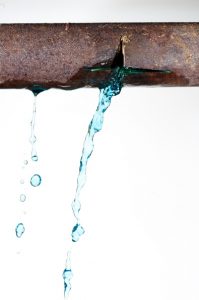 There’s no more important resource for your home than water. Having fresh, clean water come into our homes at the turn of a handle is something we all expect, and rightfully so, but there may come a time when this is not as reliable as it’s always been.
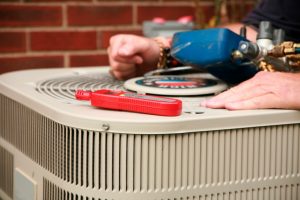 It’s hard to say why air conditioners break when they do. Your air conditioning system may be working just fine one day but refuse to start up the next. On the other hand, air conditioners may wear out slowly, with noticeably reduced performance that one day leads to a not-entirely-unexpected system breakdown.
 When a