
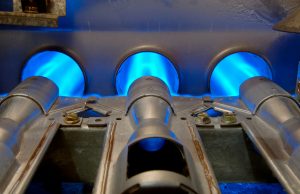
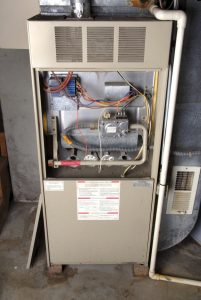
With the weather warming, your heating system is going to be seeing less and less use in the next few weeks until you finally turn it off in favor of the air conditioner until next fall. That makes now an excellent time to check your system for problems, especially if your furnace is older. Once the warranty expires, the cost of repairs tends to rise since the original components are no longer required. Wear and tear will eventually take their toll as well, and if your older furnace needs repairs, the sooner you can spot the issue the better.
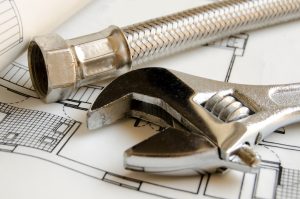 Plumbing problems can come in all shapes and sizes: anything from hard water deposits to a clog in the drain. You can solve a number of issues in your home’s plumbing system with a water filtration system. That can include anything from a reverse osmosis system to a water softener designed to remove mineral deposits in the water.
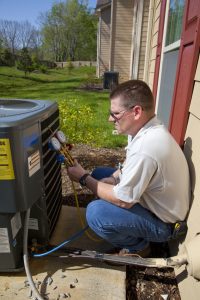 Spring is a bit of a transition month for homeowners, and besides the time-honored tradition of spring cleaning, you have your HVAC system to worry about. This is the time of year when our heating systems see less and less use, and our air conditioners see more and more use.
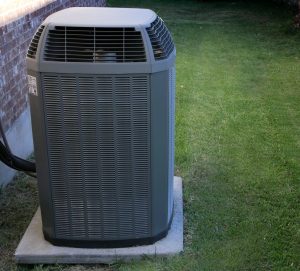 When you need a new HVAC installation (heating, ventilation, or air conditioning system), it’s important to consider all of your options. We don’t recommend that you simply take whatever your technician says is the cheapest. In all likelihood, this will be a system that is too small. You will end up paying a lot more on your energy and fuel costs for the next several years, and those initial savings may not be worth it.
 It’s surprising when a
 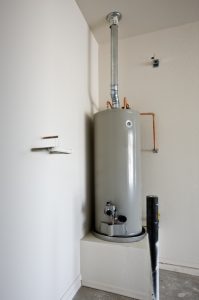 You’ve probably heard the term “hard water” before. This may sound a bit frightening in regard to your water quality, but it’s really not so bad for you. Hard water means that the water supply has an excess of calcium and magnesium, and for most people, this is perfectly safe to ingest. While it’s safe for people, however, we cannot say the same for your plumbing.
 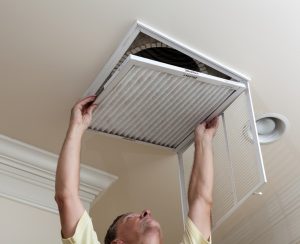 When a furnace stops heating a home, many homeowners hope for the best. “I think the thermostat is broken,” they may say, hoping a quick calibration or rewiring will do the trick. Others jump to the worst-case scenario: “I think it may need to be replaced.”
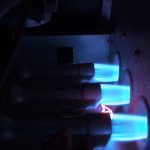 Before we begin, we want to remind you that if you suspect a gas leak, vacate the home ASAP and call the gas company. If you don’t have the number on hand, call 911. For your family’s health and safety, it’s not worth staying indoors. You should also make sure the home is properly equipped with smoke detectors and carbon monoxide detectors that are regularly tested.
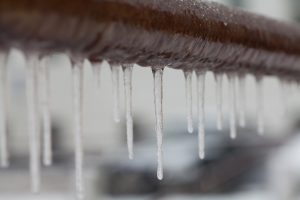 Leaky pipes are unfortunately quite common in the winter. The freezing and thawing of water in the pipes causes them to expand, which may force a pipe to burst open. Other factors can contribute to leaky pipes too, of course, such as corrosion or other means of excess pressure on the pipes.
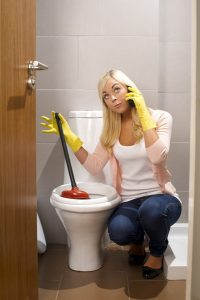 When you’re in the business of plumbing, you know that this is any homeowner’s biggest grievance. Sure, there are worse things that could happen in a home, but few of them happen again and again the way plumbing clogs often do. Some can be unclogged yourself while some will always require a plumber’s help, which is why it’s so important to focus on prevention.