
New Jersey winters can be unpredictable, but one thing homeowners can count on is the risk of plumbing problems when temperatures drop. Frozen pipes are one of the most common cold-weather emergencies we respond to, especially during extended cold snaps. Dealing with frozen pipes in Livingston, NJ and surrounding areas is often preventable with the right knowledge and preparation, and taking steps early can save you from costly water damage and major disruptions.
Why Cold Temperatures Cause Pipes to Freeze
When outdoor temperatures fall below freezing, water in pipes can freeze. As water freezes, it expands. This expansion puts intense pressure on the pipe walls, which can cause cracks or even sudden bursts. The danger doesn’t always happen while the pipe is frozen—many pipes burst when the ice inside begins to thaw and water pressure is restored. That’s why frozen pipes are such a serious winter concern and why prevention is always the best approach.
Areas of the Home Most Vulnerable to Frozen Pipes
Not all pipes face the same level of risk. Pipes located in unheated or poorly insulated areas are the most vulnerable. Common problem spots include basements, crawl spaces, garages, and attics. Pipes that run along exterior walls are also at higher risk, especially if insulation is thin or missing. Outdoor hose bibs and supply lines are another frequent trouble area, particularly if hoses were left connected after fall.
How Homeowners Can Reduce the Risk
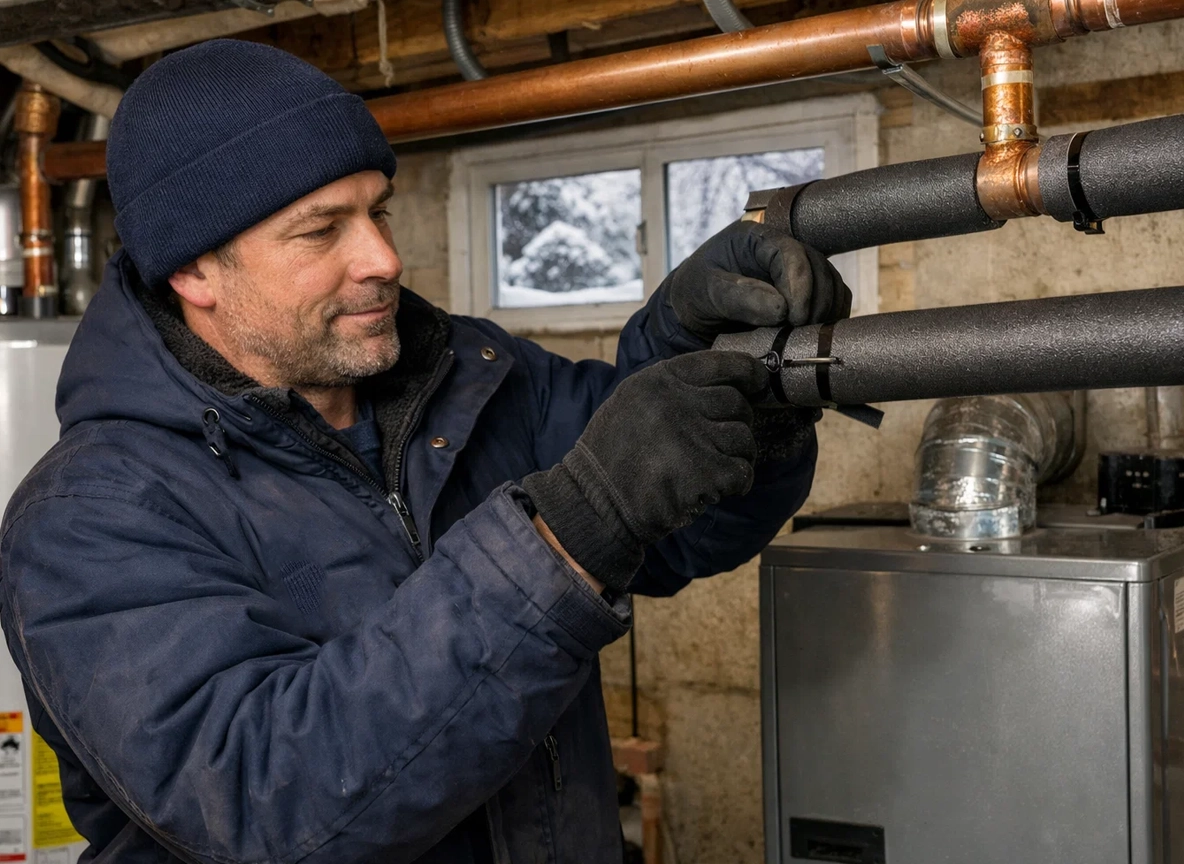
There are several effective steps homeowners can take to reduce the risk of frozen pipes. Insulating exposed pipes is one of the most important measures, especially in unheated spaces. Keeping garage doors closed during cold weather can help maintain warmer air around plumbing.
On especially cold nights, allowing a faucet to drip slightly can keep water moving and reduce freezing risk. Maintaining consistent indoor temperatures, even when you’re away from home, is also key to protecting your plumbing system.
Preventing Damage During Extreme Cold
Preparation matters most before temperatures plunge. Make sure outdoor faucets are shut off and drained, and disconnect garden hoses before winter fully sets in. Seal gaps or cracks near pipes where cold air can enter, such as around foundation walls or utility openings. Scheduling a professional plumbing inspection can also identify weak points and vulnerable pipes before they become emergencies.
What to Do If Your Pipes Freeze
If you suspect a pipe has frozen, it’s critical to act carefully. Never use a hair dryer or any method of trying to quickly raise the temperature of the pipe. Rapid heating can cause sudden expansion and contraction, leading to a burst pipe and severe water damage. Instead, shut off the water supply to that part of your home immediately and reach out to our expert plumbing team right away.
Protect Your Home This Winter
Frozen pipes can cause major headaches, but with proactive steps and professional support, they’re often preventable. Our experienced team is here to help New Jersey homeowners protect their plumbing, respond quickly to emergencies, and enjoy peace of mind all winter long.
Contact MarGo Plumbing Heating Cooling Inc. today to schedule an appointment or with any questions about frozen pipes in Livingston, NJ!