It’s easy to panic in an emergency. In our frantic urgency, we can make things worse, or take too long to take simple steps that mitigate the damage. In a plumbing emergency, that time could mean the difference between a minor mess and a flooded bathroom.
Knowing what steps you should take can make your reaction time much faster and help you avoid missteps. Familiarize yourself with these tips, and the next time you have a plumbing emergency, you’ll be better prepared to do what’s necessary.
What Should You Do During a Plumbing Emergency?
During a plumbing emergency, the first priority is limiting water damage and protecting your home. It is generally recommended to do the following:
- Shut off the main water supply if necessary
- Avoid using affected fixtures
- Turn off electricity near standing water
- Contact an emergency plumbing service as soon as possible
Taking quick action can reduce repair costs and help prevent further property damage.
Know How to Shut the Water Off
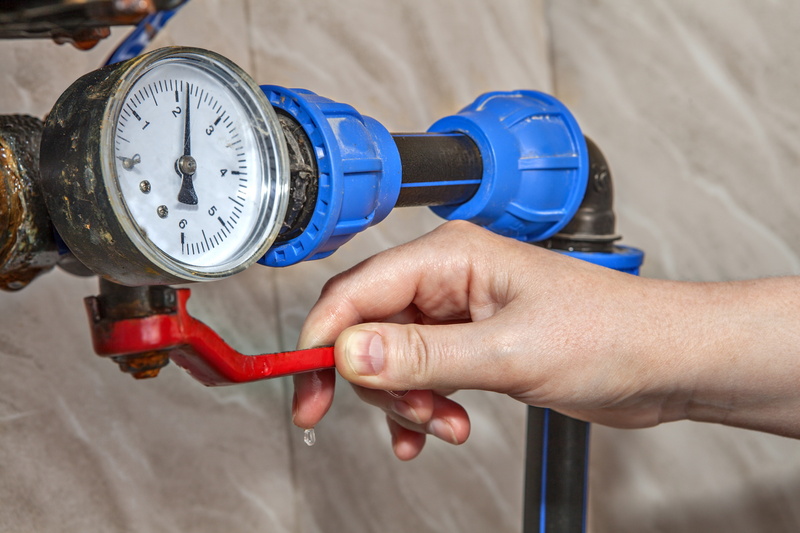
It’s generally pretty easy to locate the water shut-off to various fixtures. But in the panic of an emergency, your haste can make this harder. Before any emergency occurs, go through your home and check where the shut-off valves are. If something breaks or leaks, you’ll be able to stop water from flowing to that particular section of your plumbing.
You should also know where your main water shut-off is. If you have a leak or break in a section of plumbing you can’t shut off individually, you can cut off the water supply to your whole home. This will be located where the water enters your house, generally in the basement on the side of your house facing the street, or facing your well if you don’t have municipal water.
Know How to Handle Frozen Pipes
When winter temperatures get severe, frozen pipes are a common plumbing emergency. If this happens to you, the first thing to know is not to try to defrost the pipe yourself with a space heater or hair dryer. This can cause such rapid expansion that it triggers a sudden rupture. Instead, call for an emergency plumber in Pine Brook, NJ.
To avoid having this happen at all, your best bet is to never lower your home’s heat below 55 degrees, even when you’re going to be away and don’t need your home to be warm.
Don’t Hesitate—Get Help
If you’re not sure whether something should be considered an emergency, err on the side of caution. Get professional plumbing help as quickly as you can. Blocked drains throughout your house can quickly turn into flooding sewage if you don’t take it seriously. A trickling leak can pour gallons of water into your subfloor in a matter of hours.
Another time to get emergency plumbing help is when the problem is an emergency to you personally. A child’s lost tooth or grandma’s engagement ring being lost down the sink may not flood your home, but if it matters deeply to you, it matters to us, too. Stop using that drain, cover it so nobody else unknowingly uses it, and call for help.
Rely on Qualified Professionals
It’s all too easy for something to go seriously wrong when people attempt DIY plumbing, and that can result in serious emergencies and water damage. Avoid this by having a plumber you trust and relying on them for quick, effective, and safe solutions to your plumbing problems.
Frequently Asked Questions
Question: What should I do first during a plumbing emergency?
Answer: The first step is to shut off the water supply if it is safe to do so. Stopping the flow of water can help minimize property damage and prevent the situation from becoming worse. Once the water is off, contact a professional plumber to assess and repair the problem.
Question: How can I reduce damage while waiting for an emergency plumber?
Answer: Move valuable items away from the affected area, use towels or buckets to contain water, and avoid using plumbing fixtures connected to the problem. Taking quick action can help limit water damage and protect flooring, furniture, and personal belongings until professional help arrives.
Question: What plumbing emergencies require immediate professional attention?
Answer: Major pipe leaks, burst pipes, sewer backups, overflowing toilets, and a loss of water supply are among the most serious plumbing emergencies. These issues can quickly lead to extensive property damage, health concerns, or disruption of essential household functions if not addressed promptly.
Question: Is it safe to use chemical drain cleaners during a plumbing emergency?
Answer: In most cases, it is best to avoid chemical drain cleaners during a plumbing emergency. These products may damage pipes, create safety hazards, or make repairs more difficult for technicians. Professional diagnosis is often the safest and most effective solution for severe clogs and backups.
Question: How can I help prevent future plumbing emergencies?
Answer: Regular maintenance, prompt repairs, and paying attention to early warning signs can help reduce the risk of plumbing emergencies. Scheduling routine inspections, avoiding improper drain disposal practices, and addressing small leaks quickly can improve the reliability and longevity of your plumbing system.
Contact MarGo Plumbing Heating Cooling Inc. today with any questions about your plumbing!