
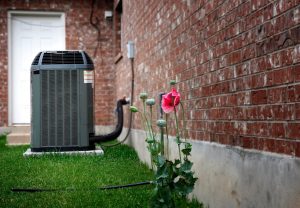
Most people think about air conditioning sizing much in the same way they would think about picking out a new computer or smartphone. If you have the funds, you’re likely going to pick the one with the largest amount of memory or storage. The bigger the memory, the better. However, this is not often the case in picking out a new central AC unit, where the correct size is determined by the unit’s cooling capacity, measured in BTU per hour.
What size AC unit do I need for AC installation?
- Start with your home’s square footage.
- Account for shade and sun exposure around the house.
- Check insulation levels and air leaks.
- Consider window size and placement.
- Factor in ceiling height and layout.
- Have an HVAC pro perform a load calculation to confirm the right tonnage and avoid oversizing or undersizing.
When considering ac installation, it’s important to choose the right brand for your air conditioning unit, as professionals are familiar with major brands like Midea, Frigidaire, and LG, which helps ensure proper installation and long-term reliability. Proper sizing and installation processes lead to optimal system performance, efficiency, and longevity. A larger air conditioner won’t necessarily be better, as we’ll describe in the guide below. For more information, be sure to contact a local HVAC technician, and definitely do so before installing a new air conditioner. Professional contractors offer a range of services, including installation, repair, and maintenance, and you can request certificates of insurance or other documentation for added transparency. For more information, be sure to contact a local HVAC technician to schedule a service appointment or consultation for an on-site estimate, and definitely do so before installing a new air conditioner. It’s so important to get one that is the right size for your home! For official guidelines and permit requirements, visit the Department of Buildings (DOB) website, as the department is responsible for overseeing AC installation and issuing necessary permits. If you are shifting from an old or inefficient unit, upgrading to a modern system can lead to better performance and energy efficiency.
Introduction to Central Air Conditioning
Central air conditioning systems are a top choice for Jersey homeowners looking to keep their living spaces cool and comfortable during the summer heat. A central air conditioning system typically includes an outdoor unit, an indoor unit, and a network of ductwork that distributes cool air efficiently throughout your home. When considering central air conditioning installation, it’s important to evaluate the size of your space, the quality of your insulation, and the number and placement of windows. These factors help ensure your air conditioning system is properly sized, which is key to achieving optimal comfort and efficiency.
Investing in a high-efficiency central air conditioning system can lead to lower energy costs and a more comfortable home environment. Modern systems are designed to deliver cool air evenly, reduce energy waste, and operate quietly. Homeowners can schedule on-site estimates with licensed contractors to assess their needs and receive expert recommendations tailored to their home. By choosing professional installation, you can avoid common problems and errors, ensuring your central air conditioning system is set up for long-term reliability and performance. Whether you’re upgrading an old unit or installing a new system, working with experienced contractors helps you get the most out of your investment and enjoy a cool, comfortable home all season long.
Types of Cooling Systems
When it comes to keeping your Jersey home comfortable during the hottest months, choosing the right air conditioning system is just as important as selecting the correct size. Homeowners today have a range of cooling options, each with its own benefits, costs, and ideal applications. Understanding the differences can help you make an informed decision that fits your space, budget, and comfort needs.
A central air conditioning system remains a top choice for many NJ homeowners. This system uses a central unit to cool air, which is then distributed throughout your home via a network of ducts. Central air conditioning installation is a significant investment, but it offers efficient, whole-home cooling and can be tailored to fit the unique layout of your house. The cost of installation depends on factors like the size of the unit, the complexity of the ductwork, and the labor required for the job. When installed correctly by licensed contractors, central air conditioning systems deliver reliable, even cool air to every room, making them ideal for larger homes or those seeking consistent comfort.
For smaller spaces or single rooms, window air conditioners are a practical and budget-friendly solution. These units are typically installed in a window and are perfect for cooling a specific area without the need for extensive ductwork. While window AC units are less expensive and easier to install, they may not be as efficient as a central air conditioning system, especially in larger spaces. They’re best suited for apartments, small rooms, or as a temporary fix in areas where central air isn’t feasible.
Mini splits, also known as ductless air conditioning systems, offer a flexible alternative for homeowners who want to cool specific rooms or areas without installing or extending ductwork. A mini split system consists of an outdoor unit connected to one or more indoor units, allowing you to control the temperature in individual spaces. Mini splits are highly efficient, often boasting a high Seasonal Energy Efficiency Ratio (SEER), which means lower energy costs and more precise comfort. They’re a great option for additions, renovated spaces, or homes where traditional ductwork isn’t practical.
Beyond these popular choices, there are also split systems and packaged air conditioners. Split systems feature separate indoor and outdoor units connected by refrigerant lines, providing efficient cooling to multiple rooms. Packaged air conditioners, on the other hand, are self-contained units typically installed outside the home, delivering cool air through ductwork to the entire house. Both options can be tailored to fit your home’s needs and can offer high efficiency when properly sized and installed.
No matter which air conditioning unit you choose, it’s important to consider the SEER rating—a higher SEER means greater efficiency and lower operating costs. Proper installation is crucial to ensure your system runs efficiently and reliably. That’s why it’s essential to hire a licensed, experienced contractor for your air conditioner installation. A professional will help you choose the right system, ensure it’s the correct size for your space, and install it according to best practices, reducing the risk of future problems and maximizing your investment.
In NJ, there are many reputable contractors who specialize in air conditioning installation and maintenance. By researching your options, checking licenses and reviews, and requesting detailed quotes, you can find the right team to support your cooling needs. Investing in the right air conditioning system and professional installation means you’ll enjoy a cool, comfortable home for years to come—while keeping energy costs in check and avoiding common pitfalls.
Why Small Air Conditioners Falter: It’s not worth the hassle!
A smaller air conditioner, as measured in tons or BTUs, can run into trouble for obvious reasons. The unit simply is not large enough to handle the large square footage of the rooms it is cooling. Sure, a smaller air conditioner will cost less to install. But in the long run, this is something you cannot afford to skimp on.
The air conditioner will have trouble cooling down the room, and will have to run for way longer than a larger air conditioner would to cool the home sufficiently. In fact, it runs for so long that the parts can wear down fast. When your air conditioner is small, you face a lot of potentially negative effects.
- You may have to make frequent repairs for worn-down parts.
- Monthly energy costs can be astronomical when you have an air conditioner that’s cooling the home nonstop.
- You’ll likely have to replace the air conditioner far sooner than you otherwise would.
Short Cycling in Larger Air Conditioners: Bigger is not always better!
You might think that, in order to avoid repairs and keep the air conditioner for longer, you should get the biggest air conditioner you can. But this is not the case, either. An air conditioner can be too big, too; in fact, we see it often.
When an air conditioner is too big, the problem is that it shuts off too frequently. This can keep it from dehumidifying, first of all. But secondly, it will start up shortly after it shuts down, meaning it turns on and off too frequently in short bursts, something known as short cycling. Short cycling wears down the unit because it uses so much energy to start up. This means a shorter equipment lifespan.
How to Find the Perfect Air Conditioner for a Home
First of all, we strongly recommend against choosing an air conditioner based on the size. Yes, a smaller air conditioner will cost less, but so does a less efficient option that won’t break down on you so often. Air conditioning sizing is based on several factors:
- Square footage,
- Whether there is shading around the home,
- Insulation,
- Window placement,
- And more.
What it all comes down to is that there is only one size that is right for your home. So what’s the best way to find it? Enlist the help of an experienced HVAC technician who can do the work for you!
Calculating Size: The Numbers Behind the Comfort
Getting the size of your central air conditioning system right is essential for efficient cooling and lasting comfort. The correct size depends on several factors, including the total square footage of your home, the number of rooms, the quality of insulation, and the amount of sunlight your home receives through its windows. If your air conditioning system is too small, it will struggle to keep your home cool, running constantly and driving up your energy bills. On the other hand, a system that’s too large will cycle on and off too frequently, wasting energy and potentially causing uneven cooling.
To ensure your central air conditioning system is the perfect fit, homeowners can refer to the Air Conditioning Contractors of America (ACCA) manual or consult with a licensed contractor who can perform a detailed load calculation. This process takes into account all the unique aspects of your home to recommend the ideal system size. Another important factor is the Seasonal Energy Efficiency Ratio (SEER), which measures how efficiently your air conditioning system uses energy. Choosing a system with a higher SEER rating means greater efficiency, lower energy bills, and a more comfortable home. By working with experienced contractors, you can ensure your new system is properly sized and optimized for your space, leading to years of reliable, efficient cooling.
Installation Process: What to Expect When Your New AC Arrives
When your new air conditioner arrives at your Jersey home, knowing what to expect from the installation process can help you feel confident and prepared. Central air conditioning installation is a multi-step job that, when done right, ensures your air conditioning system will deliver cool air efficiently and reliably for years to come.
The process typically begins with a thorough assessment of your home by licensed contractors. They’ll evaluate your space, taking into account the layout, existing ductwork, and the best location for your new air conditioning unit. This careful planning is essential to ensure that your central air conditioning system fits seamlessly into your home and delivers cool air to every area efficiently. If your home doesn’t already have ducts, the installation team may need to add new ductwork or modify existing ducts to support your new system.
Once the plan is in place, the contractors will get to work installing the air conditioning equipment. This includes setting up the central air conditioning unit, connecting it to the ductwork, and installing vents in the appropriate rooms. If your installation requires new ducts, this step may take a bit longer, but it’s crucial for ensuring that cool air is distributed evenly throughout your home. The team will also handle all necessary electrical work, such as wiring the unit and installing a new thermostat, to make sure your air conditioning system operates safely and efficiently.
Throughout the installation, your contractors will keep you updated on their progress and answer any questions you may have. They’ll also test the system thoroughly to ensure it’s running smoothly and providing the level of comfort you expect. One important aspect they’ll discuss is the Seasonal Energy Efficiency Ratio (SEER) of your new air conditioner. A higher SEER rating means your system will operate more efficiently, helping you lower your energy costs while keeping your home cool.
After the installation is complete, your contractors will walk you through the basics of operating and maintaining your new air conditioning system. They’ll show you how to replace filters, set your thermostat, and offer tips for keeping your system running efficiently. Reliable contractors will also provide ongoing support and clear communication, so you can reach out if you have any questions or encounter any problems down the line.
Choosing the right team for your central air conditioning installation is just as important as selecting the right equipment. By hiring licensed, experienced contractors, you can ensure the job is done correctly, efficiently, and with your comfort in mind. Investing in a high-quality air conditioning unit and professional installation means you’ll enjoy a cooler, more comfortable home, lower energy bills, and peace of mind knowing your system is built to last. When you’re ready to upgrade your air conditioning in your Jersey home, take the time to find a reputable contractor who will support you every step of the way.
Maintenance and Repair: Keeping Your System Running Smoothly
Regular maintenance is the key to keeping your central air conditioning system running efficiently and avoiding unexpected problems. Simple tasks like changing air filters and keeping the outdoor unit clear of debris can make a big difference in your system’s performance. Clean filters help your air conditioning system move air more efficiently, while a clear outdoor unit ensures proper airflow and cooling.
For more complex maintenance, such as cleaning ductwork or handling refrigerant, it’s best to hire a licensed contractor. Professional technicians have the expertise and equipment to inspect your system thoroughly, identify potential issues, and perform necessary repairs. Scheduling regular maintenance visits can help homeowners catch small problems before they turn into costly repairs, extend the lifespan of the unit, and keep the air in your home clean and comfortable.
If your central air conditioning system isn’t cooling as it should, or if you notice unusual noises or higher energy bills, don’t wait—contact a licensed professional to diagnose and fix the issue. Prompt repairs and routine maintenance ensure your system continues to operate efficiently, providing reliable comfort for your home year after year.
Costs and Budgeting: Planning for Your Perfect Climate
Planning for central air conditioning installation involves more than just choosing the right system—it’s also about budgeting for the entire project. The cost of installing a central air conditioning system in your Jersey home can vary based on the size of the system, the type of equipment you select, and the complexity of the ductwork and labor involved. On average, homeowners can expect to invest between $2,506 and $3,284 for a complete central air conditioning installation.
While the upfront cost may seem significant, investing in a high-efficiency air conditioning system can lead to substantial energy savings and improved comfort over time. When budgeting, consider not only the price of the equipment and installation, but also the long-term benefits such as lower utility bills, better indoor air quality, and increased property value. Upgrading to a modern, efficient system can also reduce the need for frequent repairs and replacements, saving you money in the long run.
To find the best solution for your home, request detailed quotes from licensed contractors, and ask about available options that fit your needs and budget. By planning carefully and considering both immediate and future benefits, you can create a comfortable, energy-efficient environment in your Jersey home that’s built to last.
Conclusion and Next Steps
Central air conditioning systems provide Jersey homeowners with a reliable, efficient way to keep their homes cool and comfortable all summer long. By understanding the importance of proper sizing, regular maintenance, and professional installation, you can ensure your air conditioning system delivers maximum comfort and efficiency. When choosing a central air conditioning system, consider factors like energy efficiency, cost, and the unique needs of your home.
To get started, schedule an on-site estimate with a licensed contractor who can help you find the perfect system for your space. Investing in a high-efficiency central air conditioning system not only leads to lower energy costs but also enhances your home’s comfort and value. With the right system and expert installation, you’ll enjoy cool, refreshing air and peace of mind for years to come. Take the next step by contacting a trusted professional—your perfect climate is just a call away.
MarGo Plumbing Heating Cooling Inc. offers air conditioning installation in Montclair, NJ.